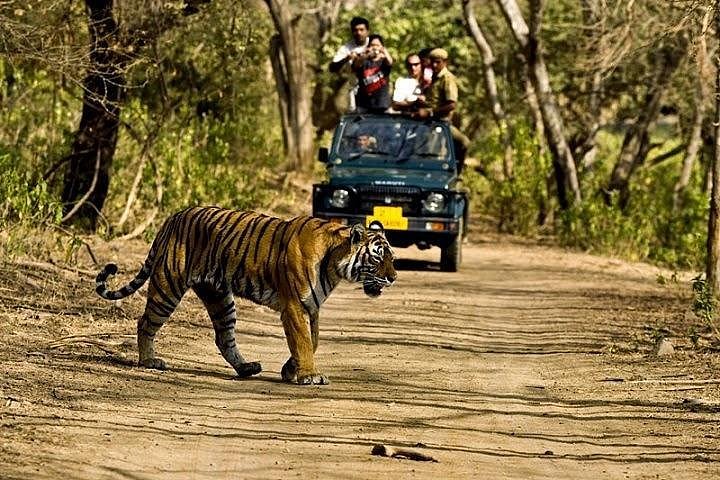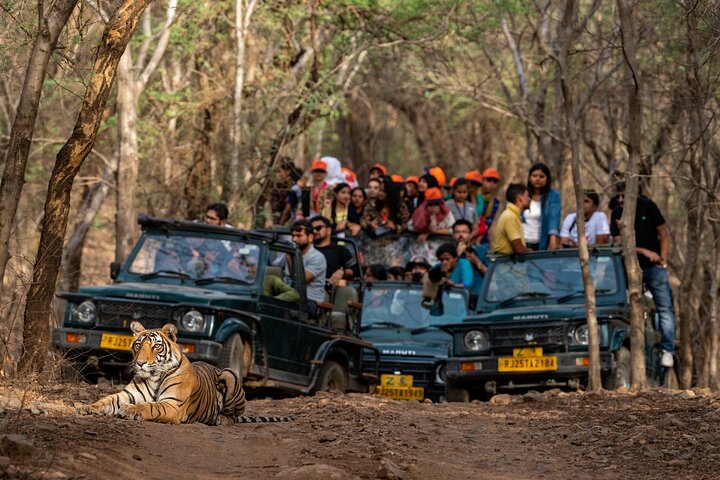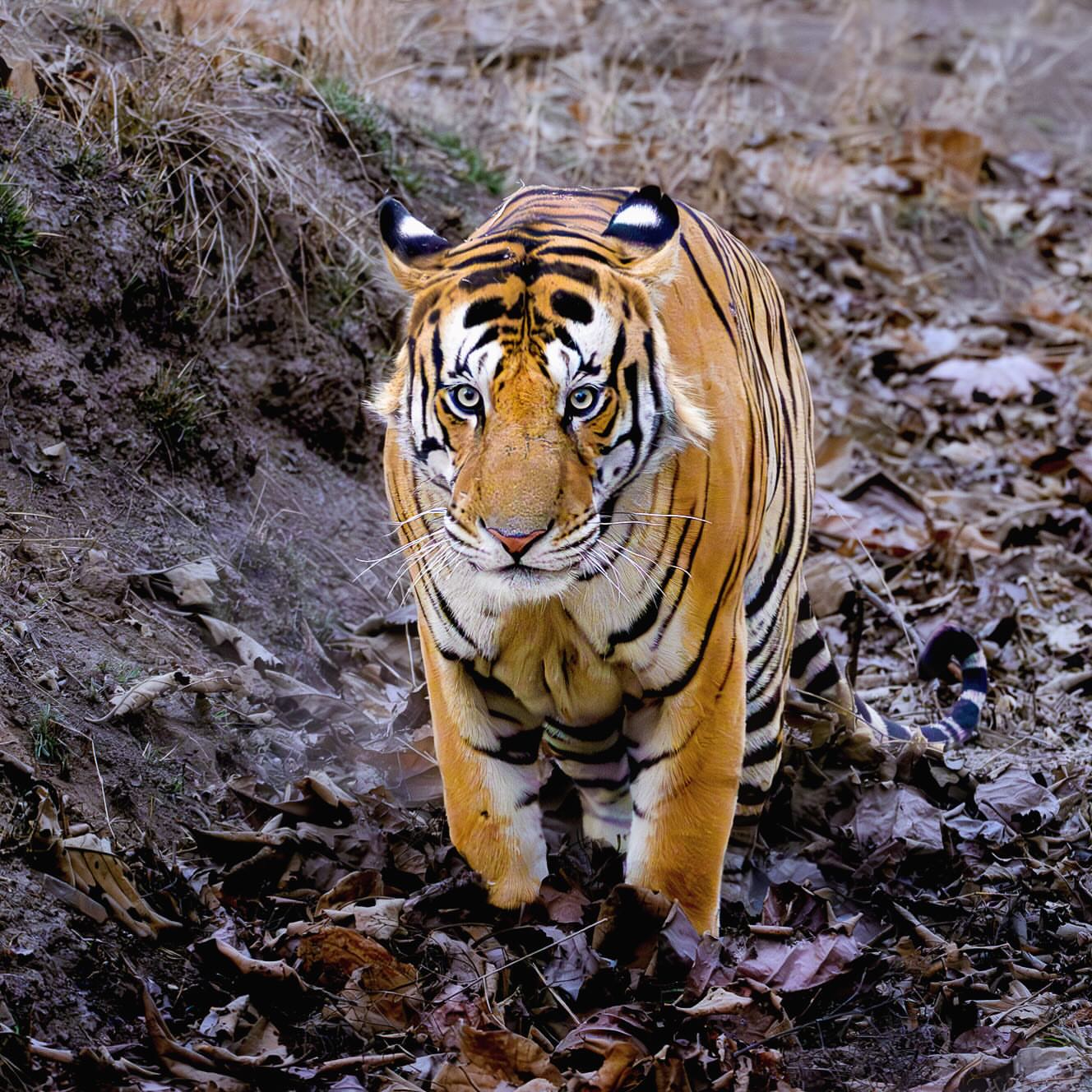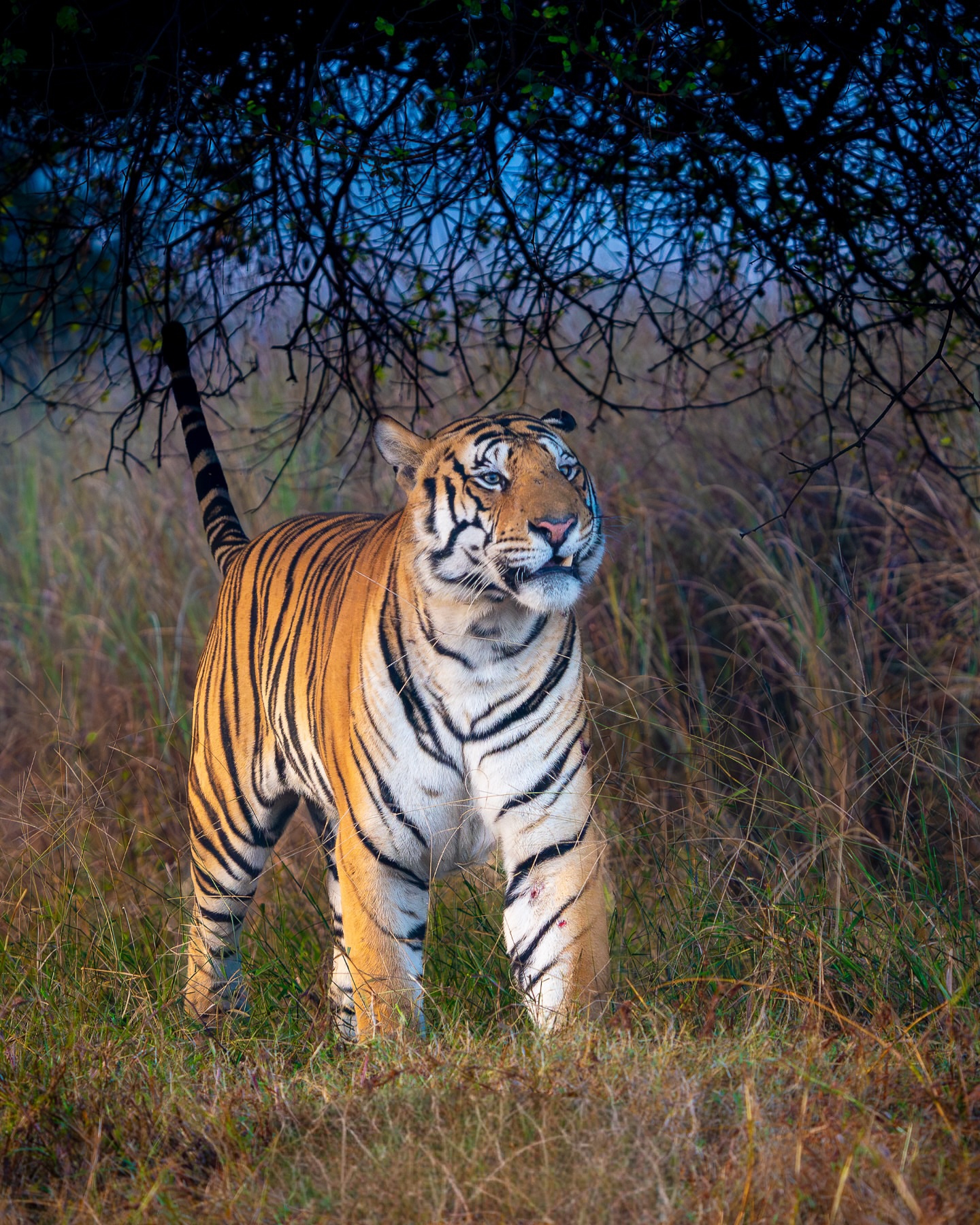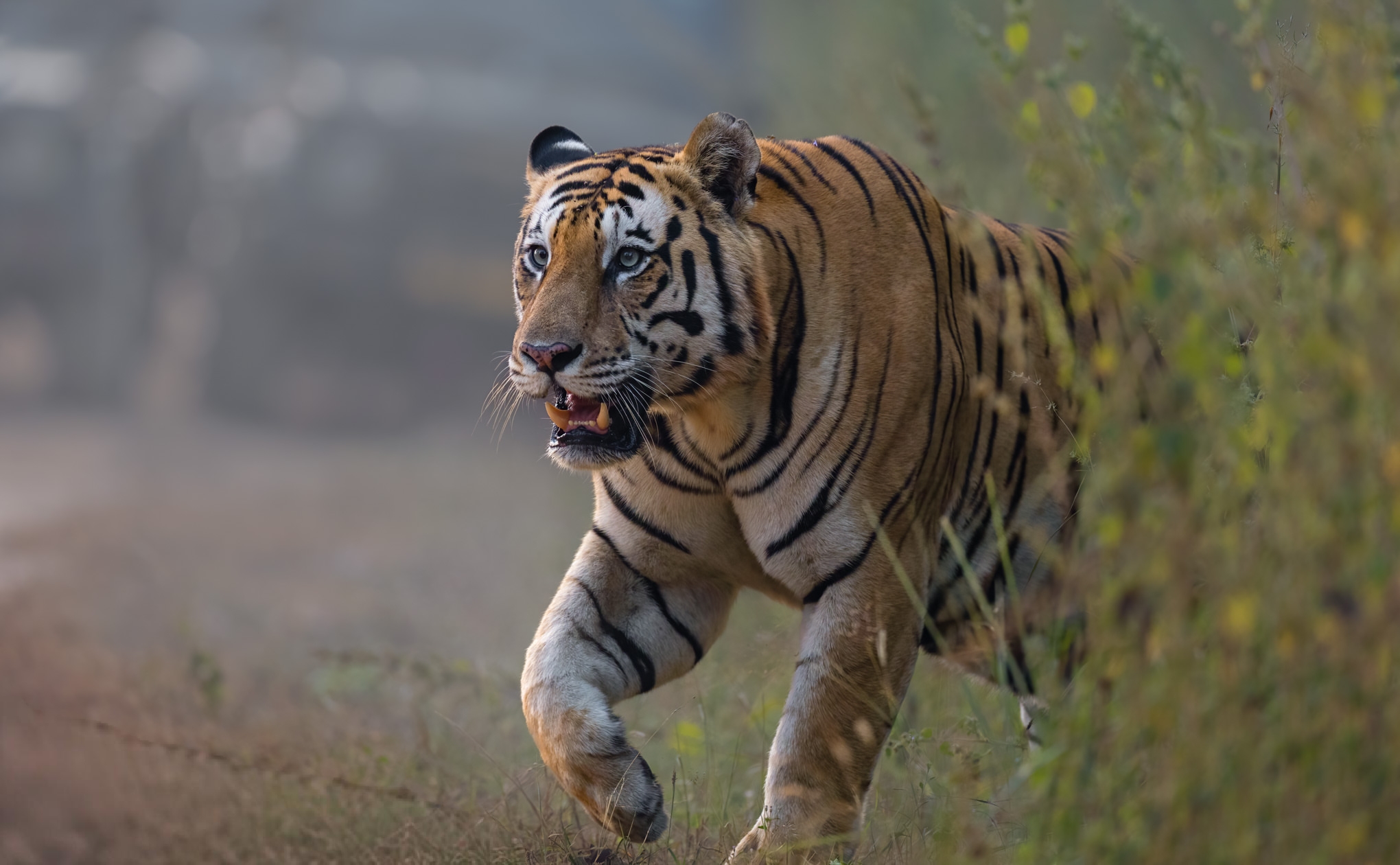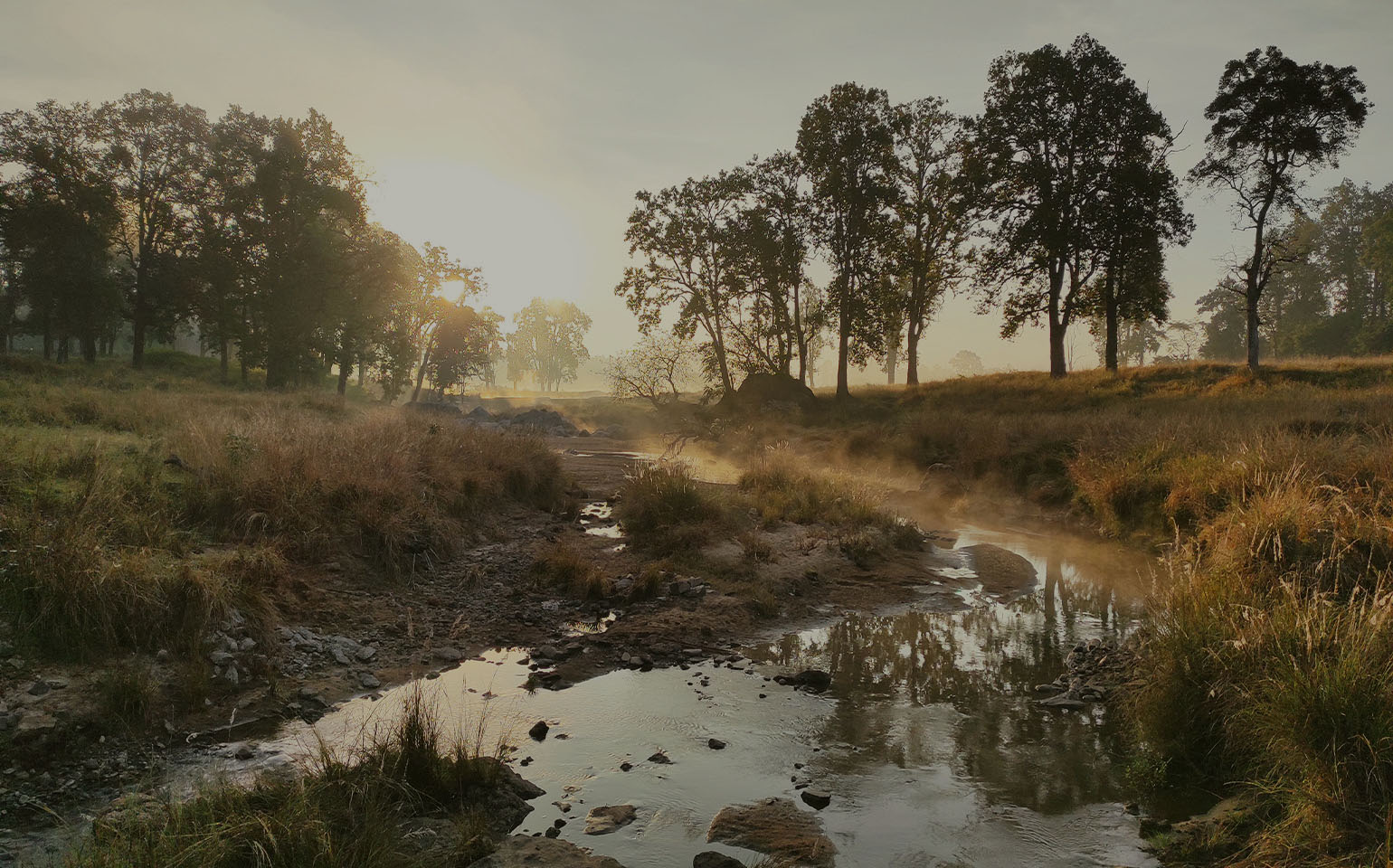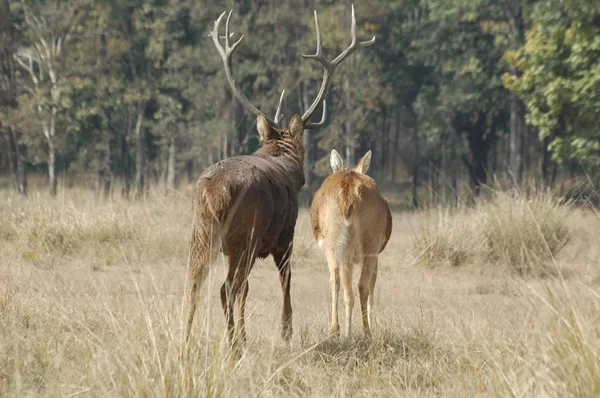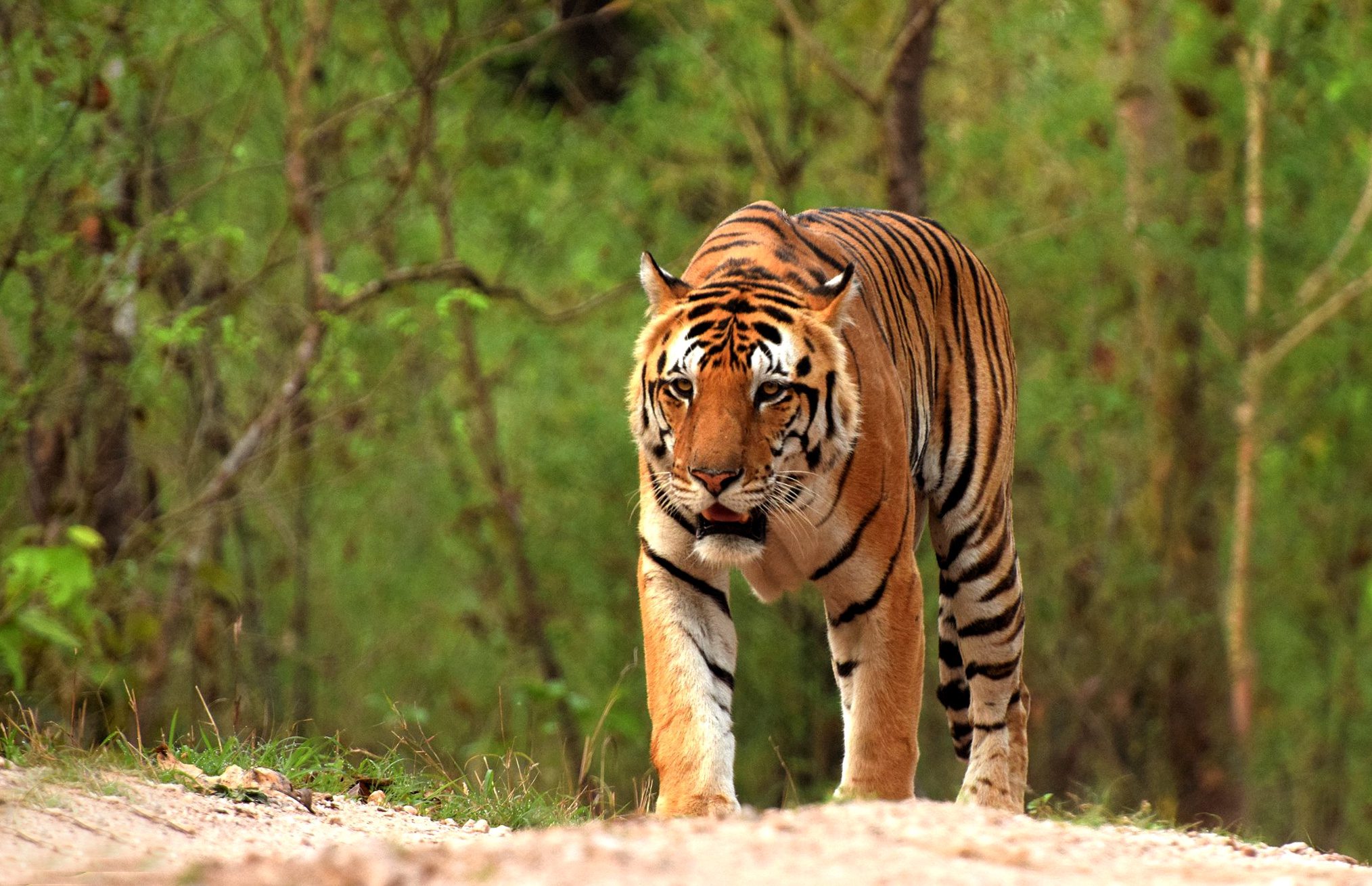
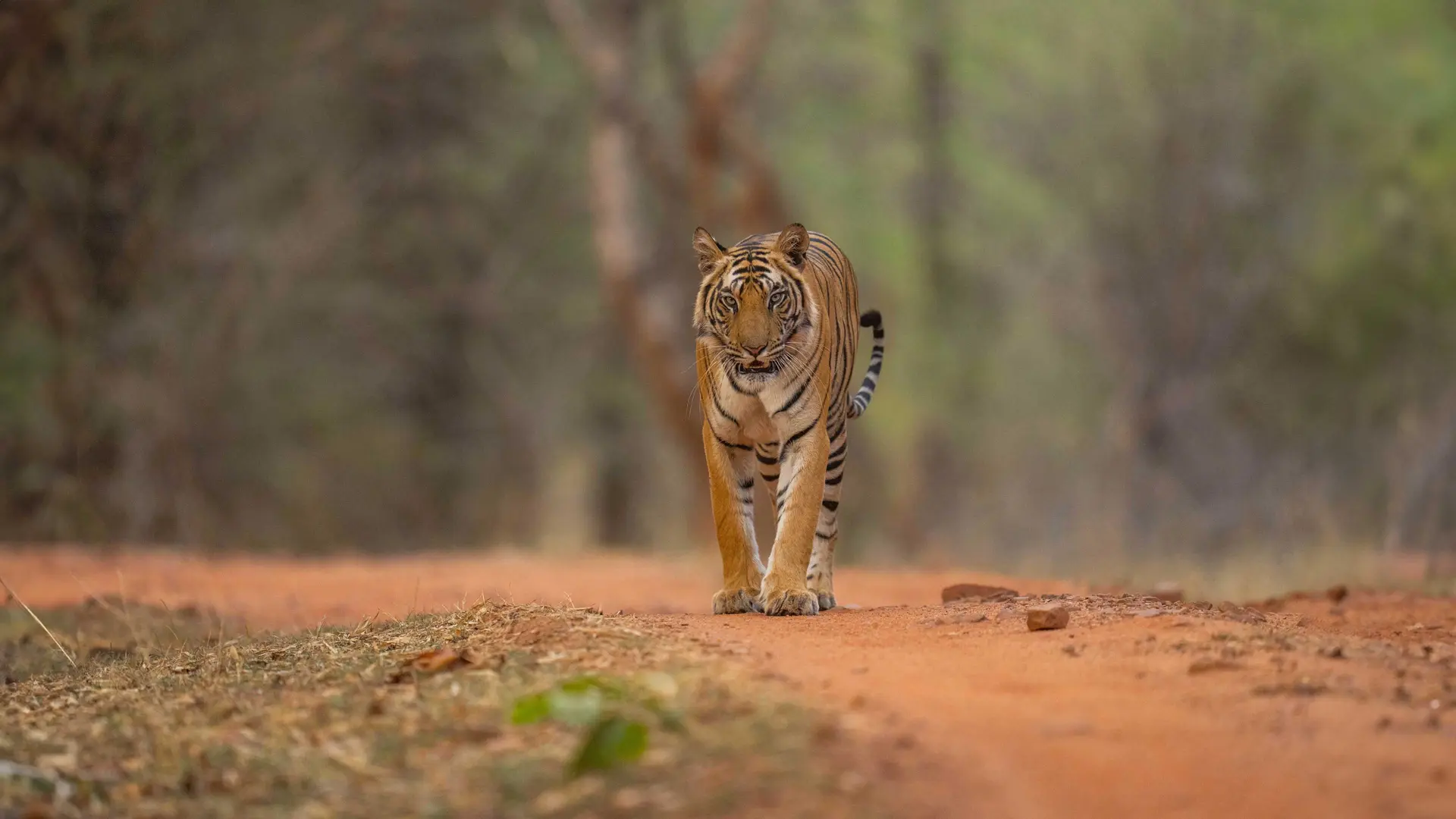
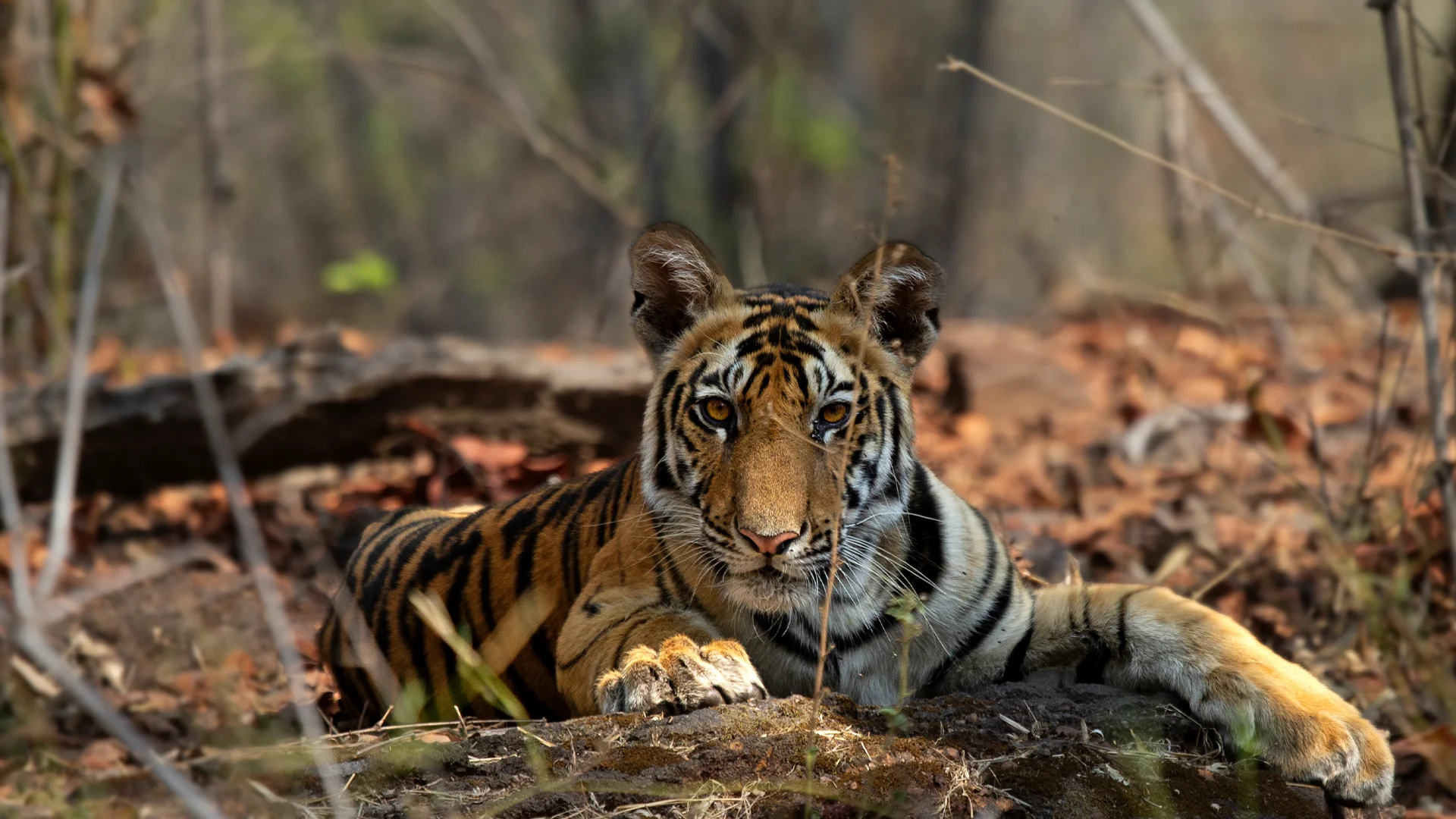
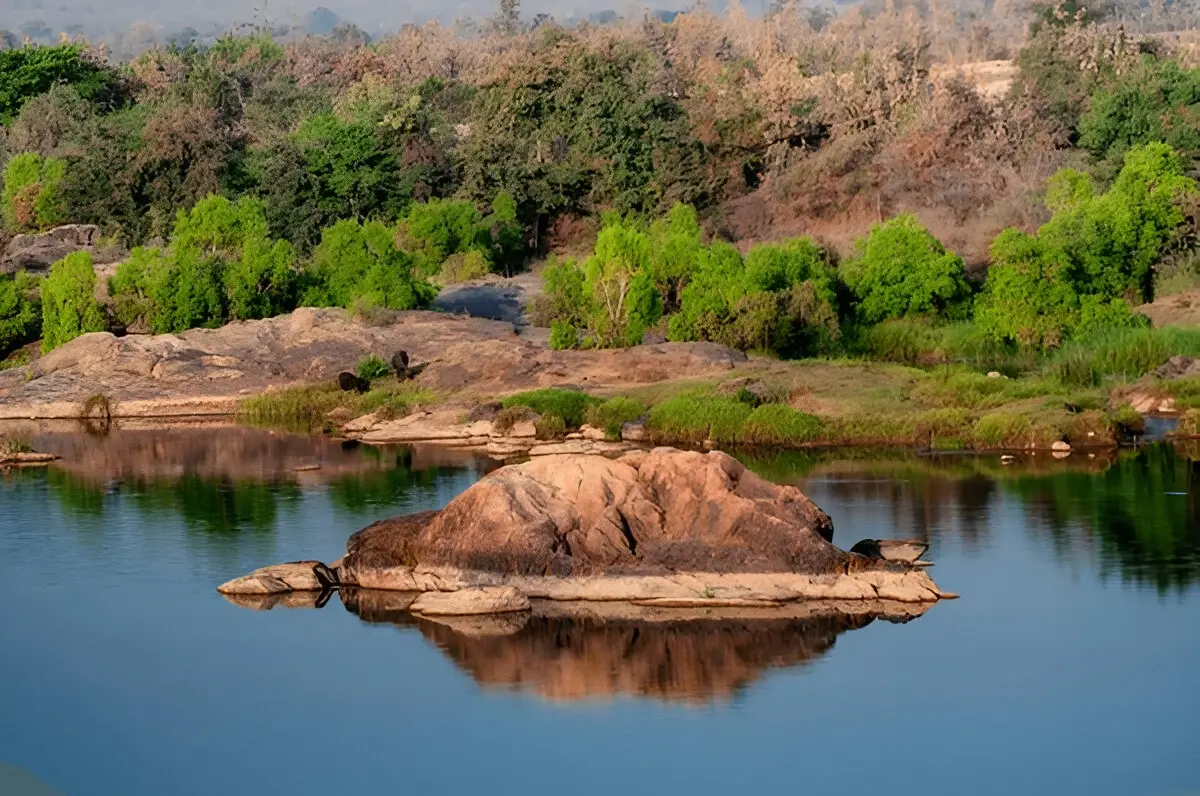
Panna National Park, situated in the Vindhya mountain ranges of Madhya Pradesh, is renowned for its breathtaking wilderness, crystal-clear waterfalls, deep gorges, and the beautiful Ken River that flows through the reserve. The park is spread across 542 sq. km and is home to the majestic Bengal Tiger, making it one of India’s most treasured tiger reserves.
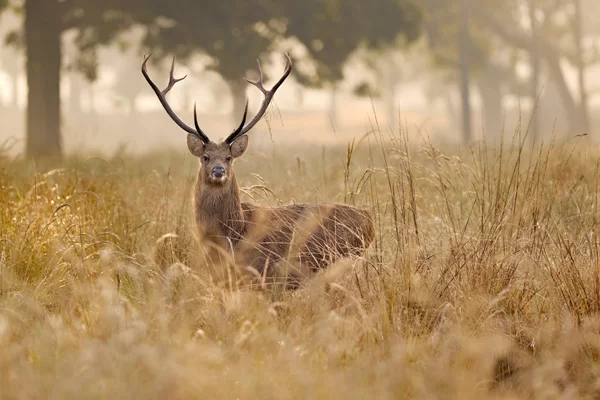
Known for one of the world’s most successful tiger reintroduction programs, Panna has transformed from near extinction to a thriving habitat of big cats. Apart from tigers, the reserve shelters leopards, wild dogs, sloth bears, hyenas, chital, sambhar, nilgai, and more than 200 species of birds.
The blend of rugged cliffs, teak forests, serene river islands, and untouched natural beauty attracts wildlife lovers, photographers, nature enthusiasts, and adventure seekers from across the world. Whether it’s a jungle safari, nature walk, boat ride, or bird watching, Panna offers an unforgettable wildlife experience.
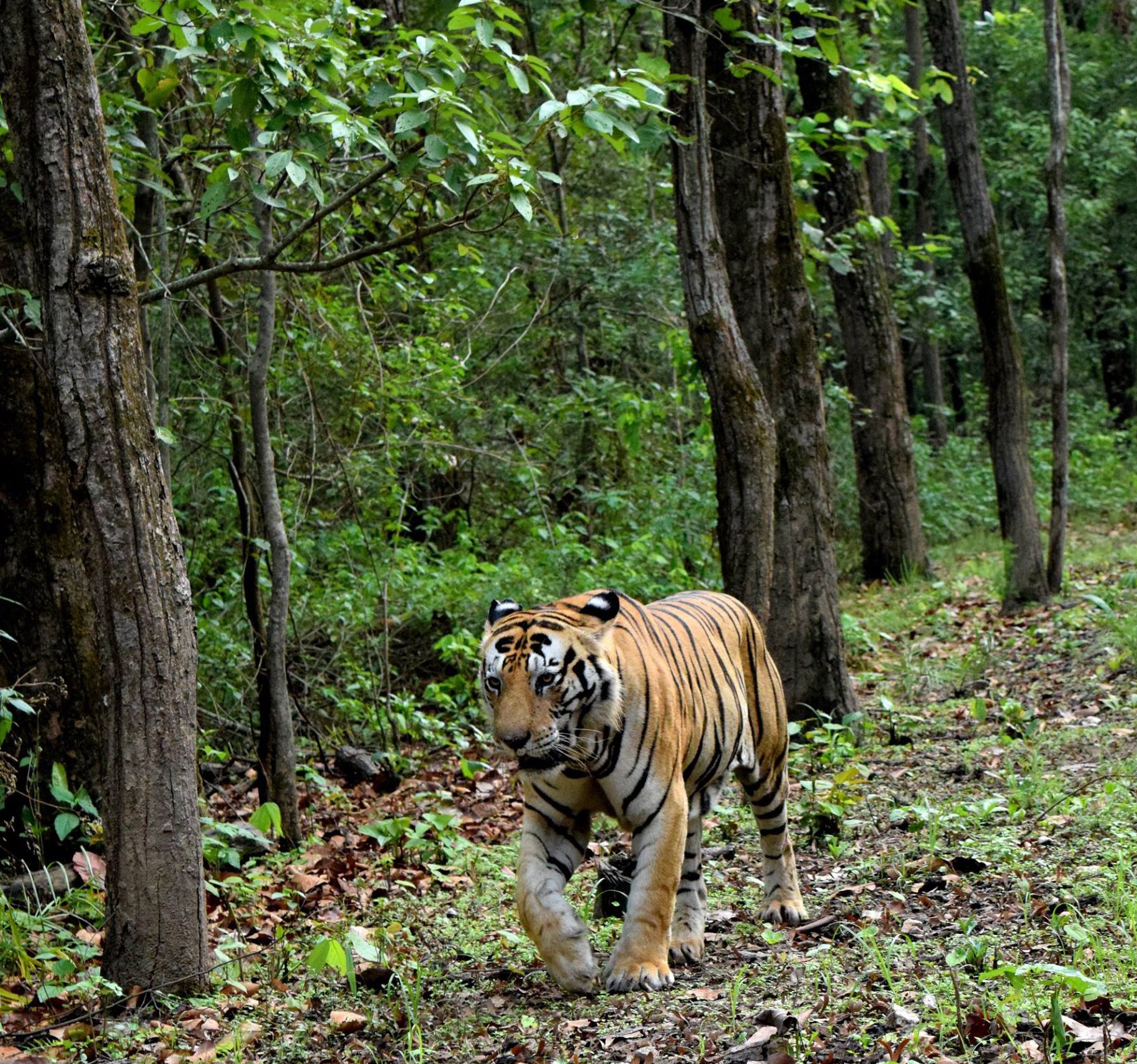
The history of Panna National Park is a remarkable journey of wilderness conservation, cultural heritage, and ecological revival. The region that is today known as Panna was once part of the hunting reserves of the princely states of Panna, Chhatarpur, and Bijawar during the British era. These forests, rich in wildlife and mineral resources, were traditionally protected by local rulers who maintained them as game reserves. After India’s independence, the area continued to hold ecological importance, and in 1981 it was officially notified as a National Park by combining two wildlife sanctuaries—Gangau Wildlife Sanctuary and Panna Wildlife Sanctuary. In 1994, Panna was declared the 22nd Tiger Reserve of India under Project Tiger, recognizing its significance as a key habitat in the Vindhyan landscape.
However, Panna faced a major conservation crisis in the early 2000s when its tiger population declined drastically due to poaching and mismanagement, leading to the near-extinction of tigers in the reserve by 2009. This triggered one of the most ambitious and successful tiger reintroduction programs in Indian history. The Madhya Pradesh Forest Department, along with the Wildlife Institute of India and NTCA, relocated tigers from Kanha, Bandhavgarh, and Pench to repopulate the reserve. Over the next decade, tiger numbers steadily increased, making Panna a global example of scientific wildlife restoration.
Today, Panna National Park stands not only as a biodiverse habitat but also as a symbol of conservation success, showcasing how committed management and community involvement can restore nature to its former glory.
Panna National Park, nestled in the Vindhya mountain ranges of northern Madhya Pradesh, is a landscape where natural beauty, ancient culture, and wildlife conservation meet in harmony. Born from the merger of the former Gangau and Panna wildlife sanctuaries, the park was officially established in 1981 and later recognized as a Tiger Reserve in 1994. Spread across rugged plateaus, deep gorges, vast teak forests, and the life-giving Ken River, Panna is a living portrait of central Indian wilderness. Its ecosystem supports tigers, leopards, wild dogs, hyenas, sloth bears, spotted deer, sambars, and countless bird species. The Ken River sustains gharials, turtles, and other rare aquatic life.
Beyond its ecological treasures, Panna is steeped in cultural and historical depth. The forest hides ancient caves, prehistoric rock paintings, and archaeological remains connected to the Pandavas, giving the reserve both mythological and historical importance. Historically, the region was once part of the princely states of Panna and Chhatarpur, whose rulers protected large tracts of forest, ensuring wilderness preservation for generations. In modern times, Panna has gained global recognition for its successful tiger reintroduction program after a devastating population decline in the early 2000s.
Today, Panna stands as a shining example of India’s commitment to wildlife conservation—a sanctuary where nature heals, thrives, and inspires everyone who visits its untamed landscapes.
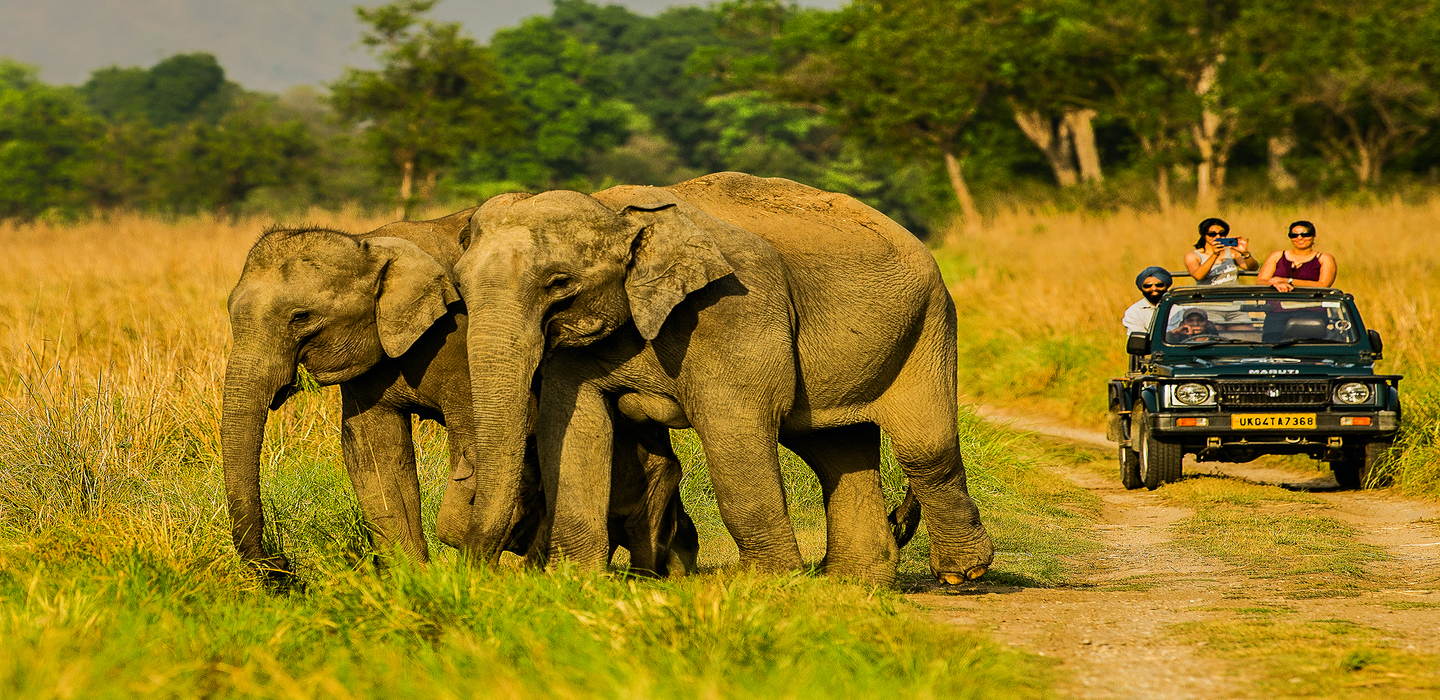
A Jeep Safari in Panna National Park is one of the finest ways to experience the raw, untouched wilderness of central India. The safari takes you deep into the heart of the forest, where rugged plateaus, dense teak woods, wide grasslands, and the shimmering Ken River create a breathtaking backdrop for wildlife exploration. Open 4x4 gypsies are used for safaris, allowing visitors an uninterrupted view of the landscape and animals in their natural habitat. As you move through the jungle tracks, you may encounter tigers, leopards, hyenas, wild dogs, sloth bears, sambars, chitals, and a rich variety of birdlife including vultures, eagles, and paradise flycatchers. The safari routes pass through famous zones like Madla and Hinouta in the core area, where chances of wildlife sightings are highest. Every safari is guided by trained drivers and forest guides who help track animal movements and share insights about Panna’s ecology and history. Early morning and evening safari slots offer the best wildlife activity and stunning views of the forest bathed in golden light. Whether you are a photographer, nature lover, or first-time explorer, a Jeep Safari in Panna National Park promises an adventurous, thrilling, and immersive jungle experience.
A Canter Safari in Panna National Park offers a comfortable and group-friendly way to explore the vast landscapes and rich wildlife of this beautiful tiger reserve. The canter is a large, open vehicle that can accommodate around 16–20 tourists, making it ideal for families, student groups, and travelers who wish to experience the jungle together. Canter safaris are operated mainly in the Madla zone, one of the most scenic and wildlife-rich parts of the park. As the canter moves along the forest tracks, visitors get panoramic views of Panna’s rugged plateaus, teak forests, riverbanks, and open meadows. The elevated seating provides an excellent vantage point for spotting wildlife such as tigers, leopards, sloth bears, hyenas, wild dogs, spotted deer, sambars, and a wide variety of birds. Guided by trained naturalists and forest experts, the safari offers insights into animal behavior, forest ecology, and the park’s conservation story. Canter safaris are usually more affordable than jeep safaris, making them a popular choice for budget travelers while still offering an exciting and immersive wildlife experience in the heart of Panna National Park
The Student Group Tour at Panna Tiger Reserve offers students an immersive experience in one of India’s most scenic tiger habitats. Young learners enjoy guided safaris, nature trails, and interactive sessions about wildlife behavior, biodiversity, and conservation efforts.
The tour encourages students to explore the reserve safely under expert supervision, gaining a deeper understanding of ecosystems, tiger tracking, and wildlife photography in a hands-on learning environment.
The Corporate Group Tour at Panna Tiger Reserve provides an ideal setting for teams to unwind, bond, and experience the wilderness. Guided safaris allow corporate groups to explore the tiger reserve, spot wildlife, and enjoy immersive nature experiences.
Designed for team-building and relaxation, the tour combines adventure, learning, and forest exploration, making it perfect for corporate retreats and eco-friendly outings.
Choose from the best wildlife & adventure experiences in Panna.
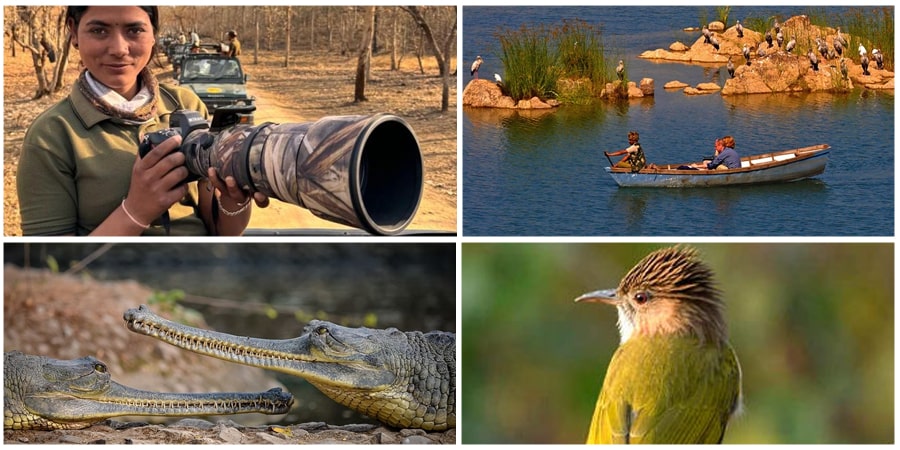
3 Nights / 4 Days – 6 Jeep Safaris with full photography support.
6 Nights / 7 Days – 10 Jeep Safaris covering two tiger reserves.
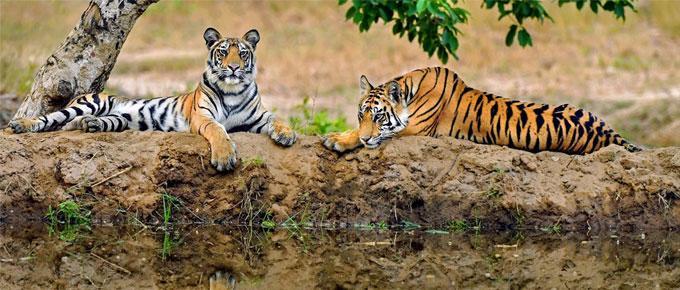
6 Nights / 7 Days – 10 Safaris in untouched terrains.
6 Nights / 7 Days – Leopard & canyon photography experience.
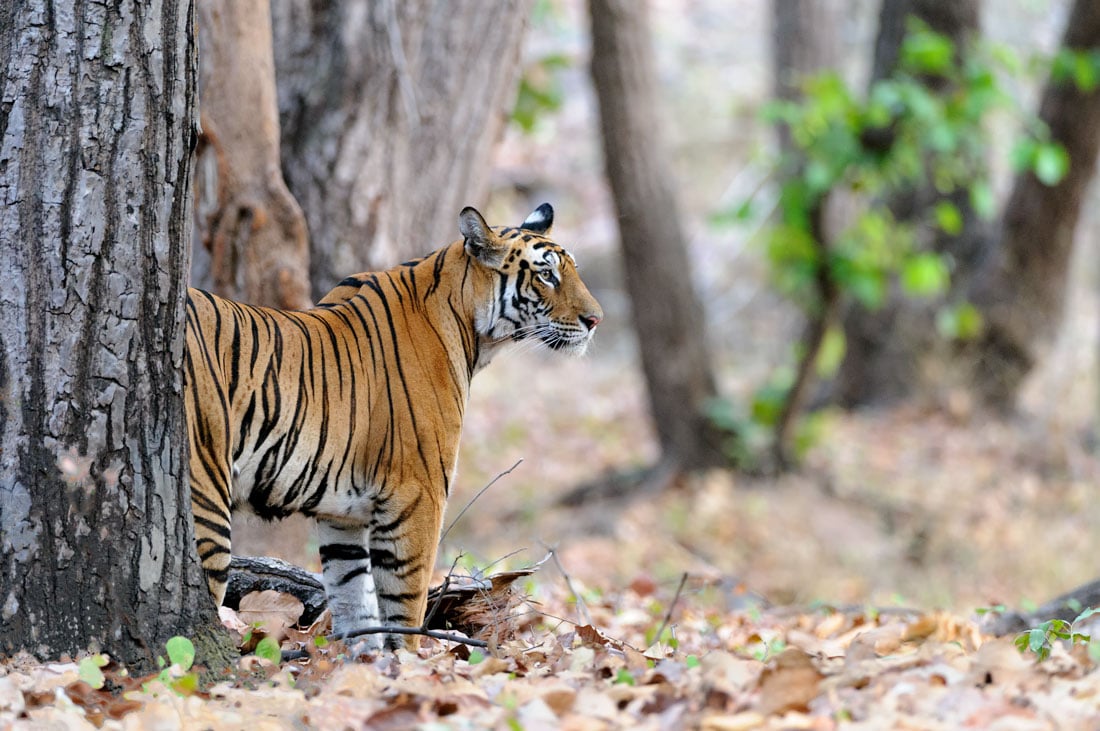
5 Nights / 6 Days – Tiger portraits & landscape shots.
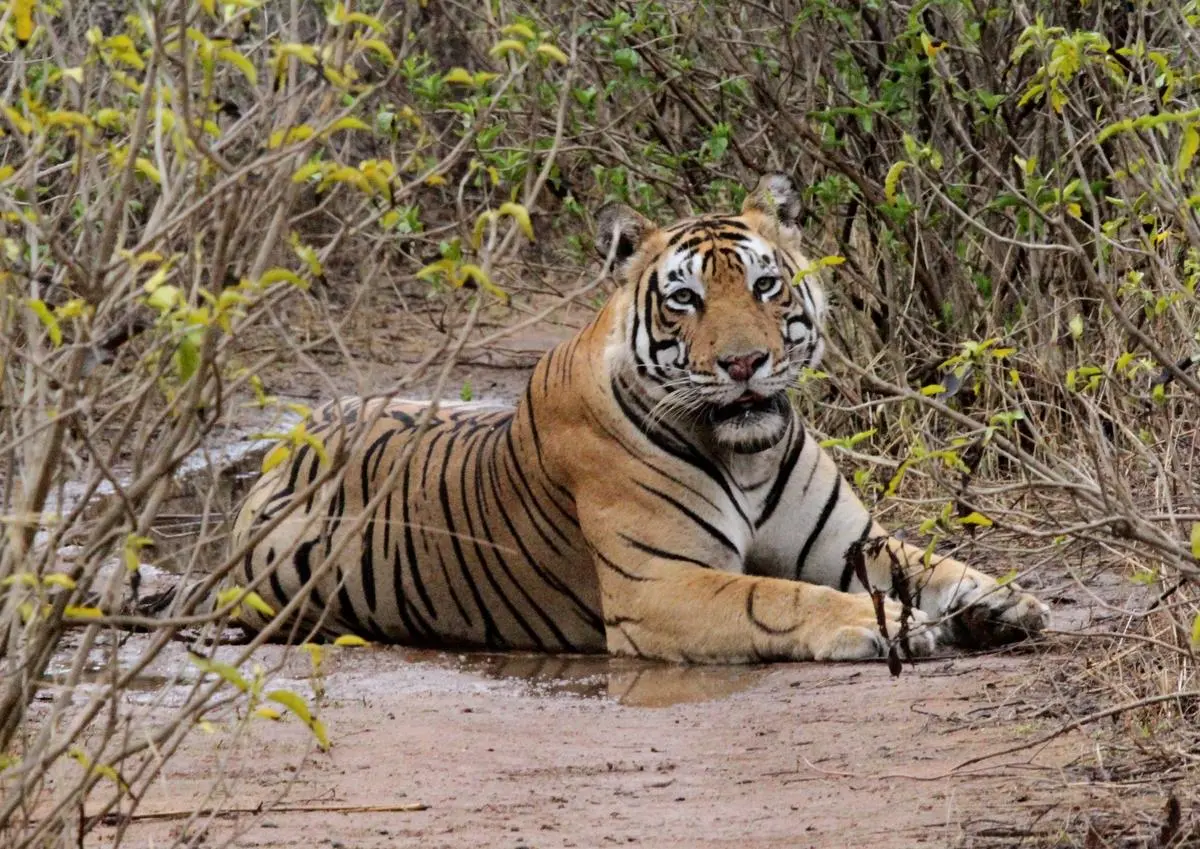
6 Nights / 7 Days – Sal forest tigers & canyon shots.
Explore exciting wildlife adventures and natural wonders.
Enjoy a peaceful boat safari on the Ken River surrounded by scenic landscapes and rocky gorges.
Visit the incredible volcanic canyon made of colorful granite rocks and enjoy the majestic Raneh Falls.
A beautiful waterfall surrounded by caves believed to be used by the Pandavas during their exile.
Explore the breathtaking natural waterfalls of Panna, perfect for nature lovers and trekkers.
A sacred pilgrimage site known for its stunning architecture and peaceful spiritual atmosphere.
Discover the historic Ajaygarh Fort located atop a hill offering panoramic views of Panna valley.
| Period | Morning Safari | Evening Safari |
|---|---|---|
| 1st October – 30th November | 06:00 AM – 10:00 AM | 02:30 PM – 05:45 PM |
| 1st December – 28th February | 07:00 AM – 10:30 AM | 02:00 PM – 05:30 PM |
| 1st March – 31st April | 06:30 AM – 10:00 AM | 03:00 PM – 05:45 PM |
| 1st May – 30th June | 05:30 AM – 09:30 AM | 03:30 PM – 06:00 PM |
| 1st July – 30th September | CLOSED | |
| Core Zones |
|---|
| 6 Adults + 1 Child (Below 5) |
| Indian: ₹9,500 |
| Foreigners: ₹15,000 |
| Buffer Zones |
|---|
| 6 Adults + 1 Child (Below 5) |
| Indian: ₹8,000 |
| Foreigners: ₹12,000 |
| Sharing Basis |
|---|
| Per Person |
| Indian: ₹2,000 |
| Foreigners: ₹2,500 |
| Tatkal Safari |
|---|
| Per Jeep |
| Indian: ₹12,500 |
| Foreigners: ₹17,500 |
| Full Day Safari |
|---|
| Per Jeep (4 Persons Allowed) |
| Indian: ₹1,10,000 |
| Foreigners: ₹1,30,000 |